
The Thrill of the Game
The allure of casinos often lies in the thrill associated with gambling. This excitement is rooted deeply in human psychology, where the brain releases dopamine—a neurotransmitter linked to pleasure—during moments of risk and reward. Winning big can trigger a euphoric response, making players feel invincible and encouraging them to chase that feeling time and again. This cycle of anticipation and reward can lead to a powerful compulsion, driving individuals back to the gaming floor, where they may even try out credit card casinos.
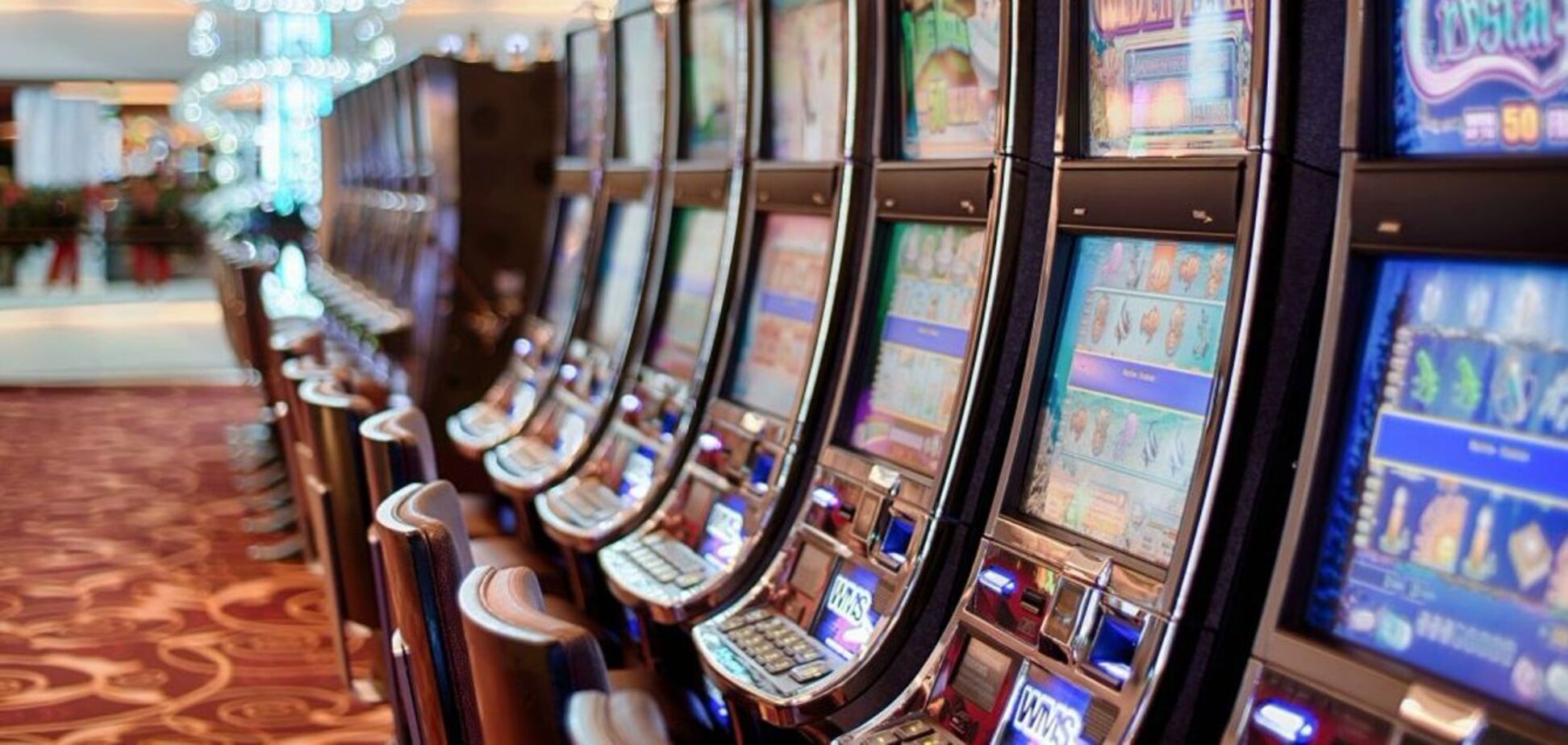
Moreover, the environment of a casino is meticulously designed to amplify this thrilling experience. From bright lights to exciting sound effects, every element is crafted to create an atmosphere that heightens emotions and keeps players engaged. The psychology behind this design plays a significant role in how individuals perceive their chances of winning, often leading them to underestimate the odds and overestimate their ability to succeed.
The Influence of Cognitive Biases
Cognitive biases significantly impact how players make decisions in casinos. One of the most notable is the “gambler’s fallacy,” where individuals believe that past events can influence future outcomes. For example, a player might think that just because a specific slot machine hasn’t paid out in a while, it is “due” for a big win. This misinterpretation of probability can lead to increased gambling, as players chase losses with the hope of a turnaround.
Additionally, confirmation bias plays a role in reinforcing players’ beliefs about their luck. When they experience a win, they tend to pay more attention to it, celebrating their fortune while dismissing their losses. This selective memory can create a false narrative of their gambling prowess, further entrenching them in the cycle of playing, hoping to recapture that high of winning big.
The Role of Emotions and Decision Making
Emotions heavily influence decision-making processes at casinos. Many players approach gambling with a sense of excitement and optimism, which can cloud their judgment. Once someone has experienced a win, their emotional state can lead to impulsive behavior, often resulting in wagers that are disproportionately higher than what they can afford. This emotional escalation is common in high-stakes environments, where the pressure to maintain a winning streak can outweigh rational decision-making.
Additionally, negative emotions such as frustration or fear of losing can lead to chasing losses, which is when players double down on their bets, believing that they can recover previous losses. This emotional-driven decision-making can spiral out of control, leading to significant financial consequences as rational thinking is overshadowed by the desire to win back what was lost.
The Social Aspects of Gambling
Gambling is not just a solitary endeavor; it is often a social activity that impacts how people engage with games of chance. The presence of others in a casino can heighten excitement, as players cheer one another on, share stories, and build a community around their shared experiences. This social interaction can be a significant factor in why some people seem to win big; they feed off the positive energy and support of others, which can enhance their confidence and risk-taking behavior.
However, the social aspect can also introduce peer pressure, encouraging individuals to gamble more than they would alone. The desire to fit in or impress others might lead to larger bets and riskier decisions, further compounding the psychological factors at play. Understanding the impact of social dynamics is essential in recognizing how they influence overall gambling behavior and the likelihood of winning big at casinos.
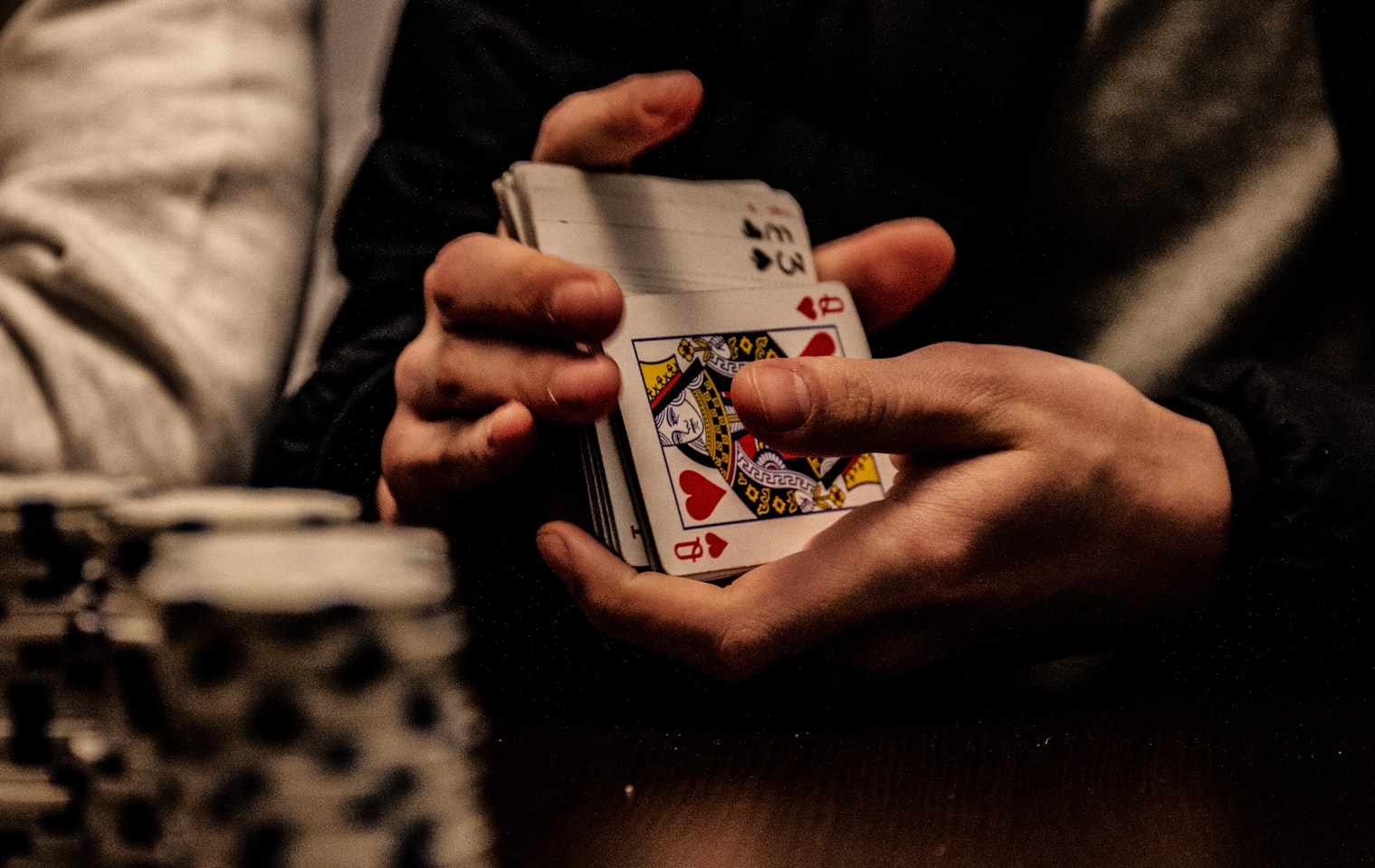
Empowering Women Through Safe Gambling Practices
Hope for Women Magazine recognizes the need to empower women in their choices, including their approach to gambling. Providing resources and knowledge about the psychological aspects of gambling helps women make informed decisions. By understanding the influences of emotion, cognitive biases, and social environments, women can engage in gambling responsibly while enjoying the thrill of the experience.
Moreover, the magazine promotes a safe space where individuals can share their experiences, learn from one another, and seek support. The goal is to foster a community that encourages healthy gambling habits, ensuring that the excitement of the game doesn’t lead to negative consequences. Through informative content and empowerment, women can explore the world of gambling while prioritizing their well-being and financial health.